
Gathering Presenters
-
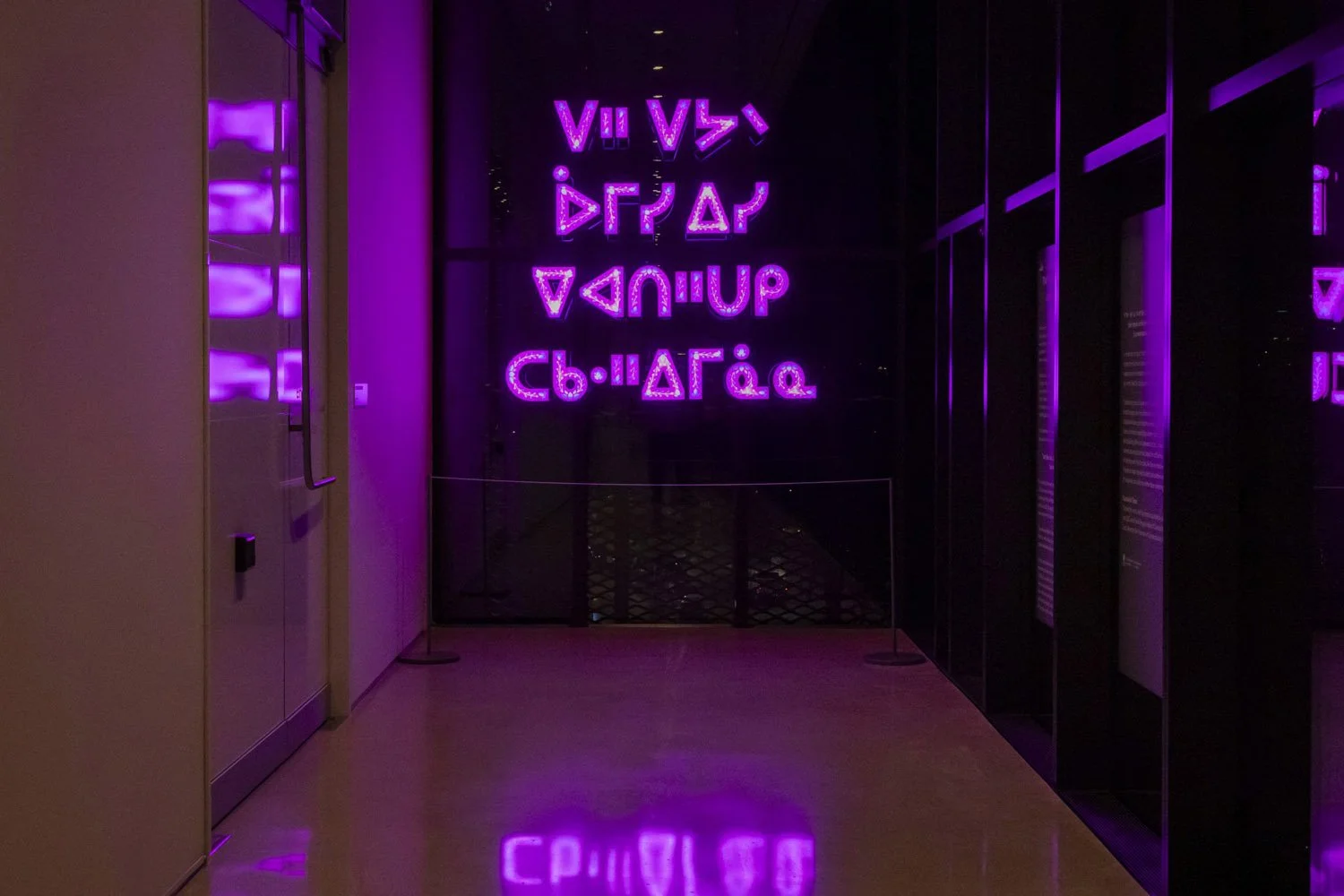
Joi T. Arcand is an artist from Muskeg Lake Cree Nation, Treaty 6 Territory, based in Ottawa. She holds a BFA with Great Distinction from the University of Saskatchewan and a BA in nêhiyawêwin from University nuhelot’įne thaiyots’į nistameyimâkanak Blue Quills. In 2018, she was shortlisted for the Sobey Art Award. Arcand has presented solo exhibitions at the MacKenzie Art Gallery, College Art Galleries, Wanuskewin Heritage Park, Dunlop Art Gallery and ODD Gallery, among others. Her work has appeared in major group exhibitions, including Àbadakone at the National Gallery of Canada and INSURGENCE/RESURGENCE at the Winnipeg Art Gallery. A co-founder of Red Shift Gallery and founder and editor of kimiwan (2012–14), Arcand has also curated numerous exhibitions. She is a member of Wolf Babe Collective, which has been invited to help shape the 2027 Luleå Biennial in Norrbotten, Sweden.
-
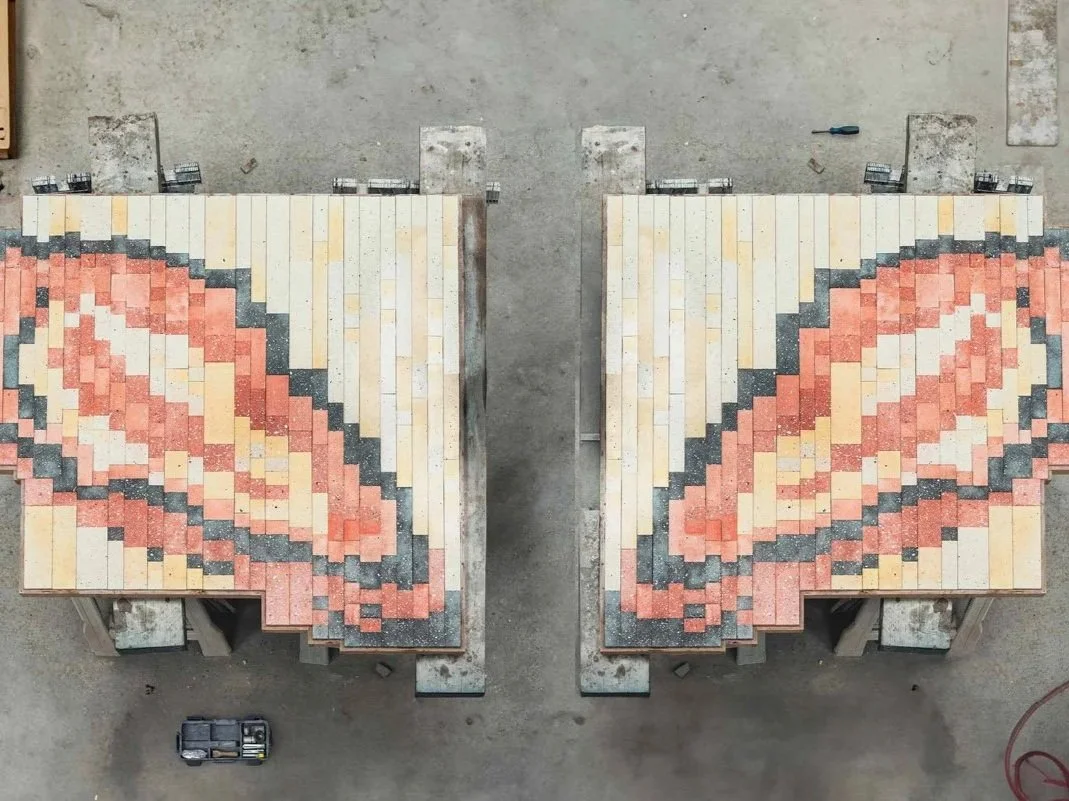
Cooking Sections investigates the systems that shape the world through food, tracing the spatial, ecological and political legacies of extractivism. Founded in London in 2013 by Daniel Fernández Pascual and Alon Schwabe, the duo works across art, architecture, ecology and geopolitics through installations, performances and video. Since 2015, its long-term project CLIMAVORE has explored how to eat as humans change climates and how food can mobilize civic resistance. Their initiatives include removing farmed salmon from museum menus, supporting agrochemical-free farming around Lake Erie, promoting breads that counter soil depletion in Finland and protecting Istanbul’s wetlands. Cooking Sections has exhibited internationally, including at Tate Britain, Serpentine Galleries and the Carnegie Museum of Art, and participated in the Venice, Taipei and Istanbul biennials. Nominated for the 2021 Turner Prize, the collective has published three books: The Empire Remains Shop (2018), Salmon: A Red Herring (2020) and Offsetted (2022). Fernández Pascual and Schwabe are Fellows at the Canadian Institute for Advanced Research.
-
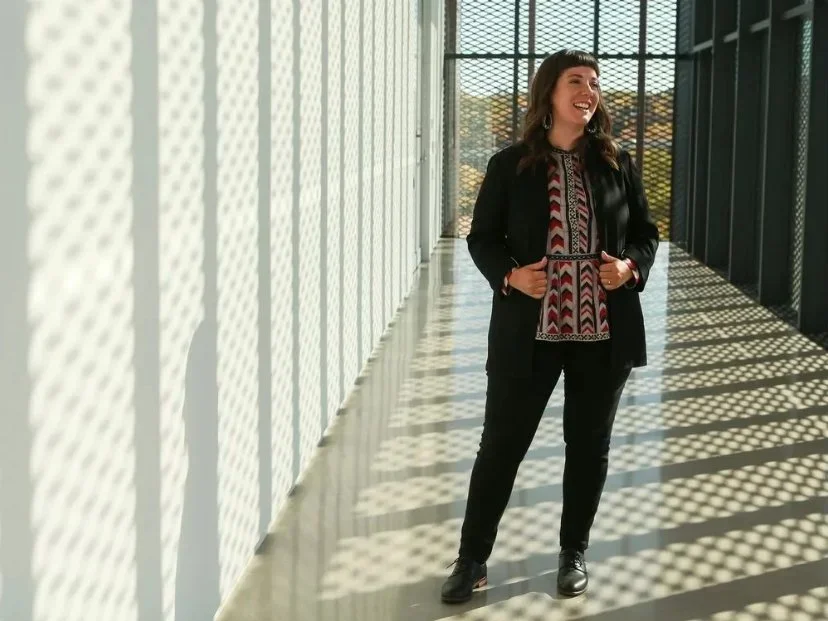
Tarah Hogue is a citizen of the Otipemisiwak Métis Government within Alberta and Adjunct Curator at Remai Modern, where she previously served as the museum’s inaugural Curator (Indigenous Art). Her curatorial and writing practice focuses on Indigenous contemporary art and is grounded in relational geographies, attending to how people and artworks shape and are shaped by the territories they belong to and move through. Hogue has curated independently since 2009 and has held curatorial positions and fellowships at the Vancouver Art Gallery, Art Gallery of Greater Victoria, Institute of Modern Art in Brisbane, and grunt gallery in Vancouver. Hogue’s multi-artist projects are often shaped by place and unfold through commissions, gatherings, and sustained collaboration. Her artist-focused projects include major survey exhibitions and edited accompanying monographs devoted to Cheryl L’Hirondelle, Dyani White Hawk, Meryl McMaster, and Adrian Stimson. Her exhibition Storied Objects: Métis Art in Relation received an Association of Art Museum Curators Award for Excellence.
-
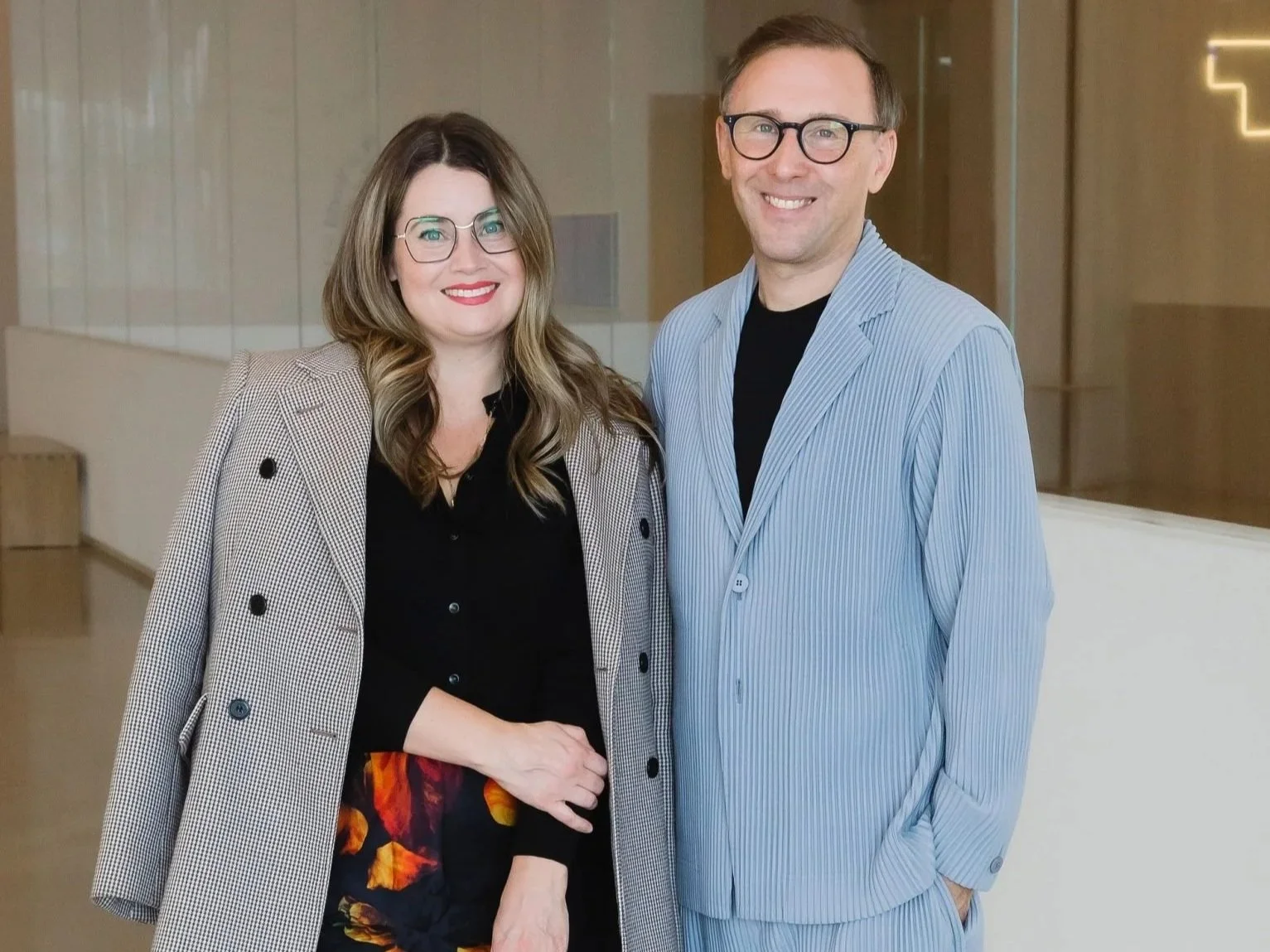
Aileen Burns and Johan Lundh are Co-Executive Directors and CEO of Remai Modern since 2020. They were Executive Directors and Chief Curators of Govett-Brewster Art Gallery and Len Lye Centre in New Plymouth, Aotearoa New Zealand, before joining Remai Modern. Prior to leading Govett-Brewster, Burns and Lundh were Co-Directors of the Institute of Modern Art in Brisbane, Australia, and the Centre for Contemporary Art, in Derry-Londonderry, Northern Ireland. Over the past decade, Burns and Lundh have curated over 50 exhibitions and projects across North America, Europe, Australia and New Zealand, with an emphasis on commissioning new art works. Burns and Lundh have worked on major projects with artists such as Gordon Bennett, Ruth Buchanan, Céline Condorelli, Dale Harding, Nicholas Mangan, Amalia Pica, Slavs and Tatars, Hito Steyerl, Luke Willis Thompson, and Haegue Yang. They have also edited and co-edited a number of books, including award-winning titles in partnership with Sternberg Press, Berlin.
-
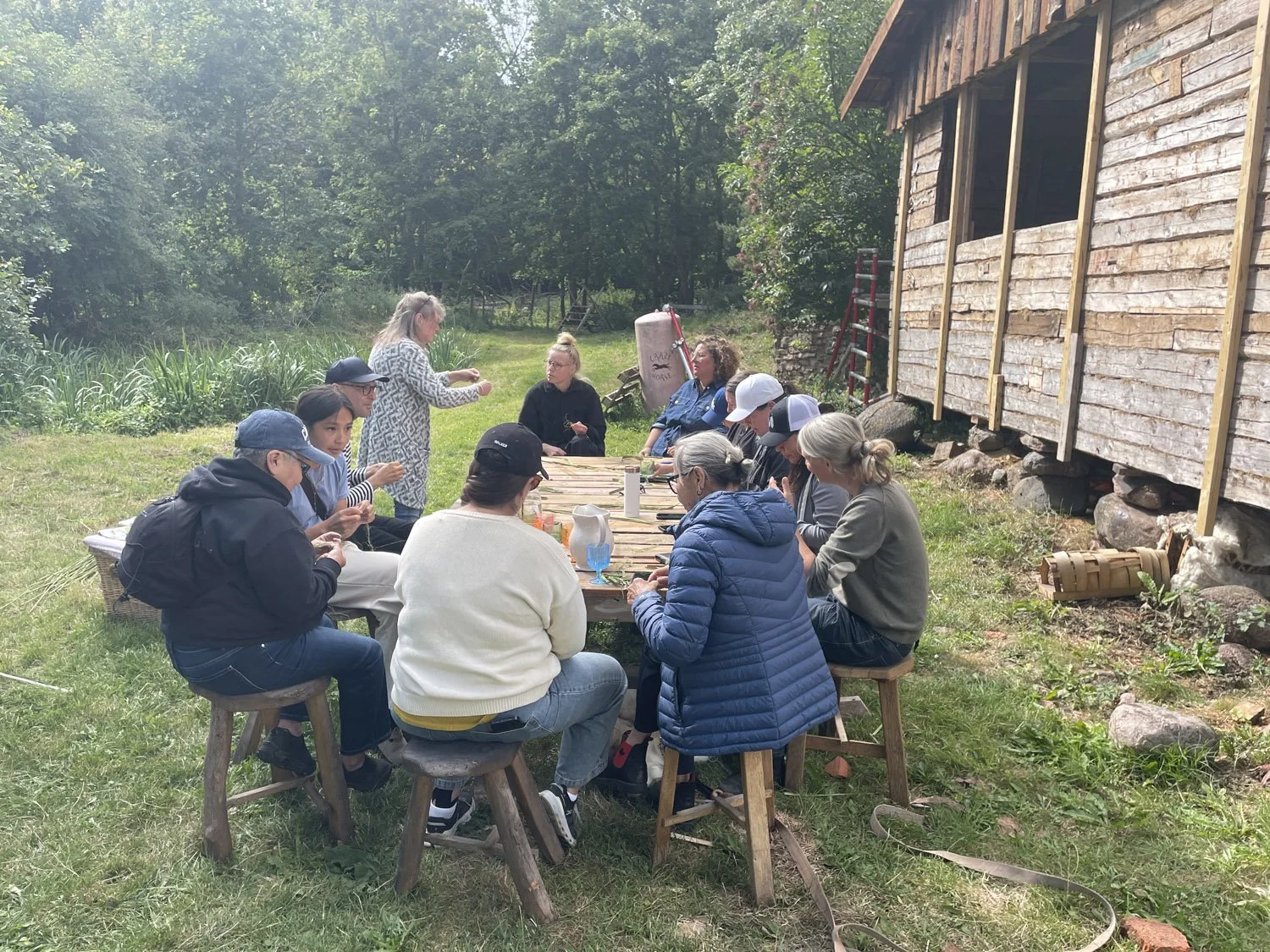
Kultivator is an independent art practice and experimental project platform founded and run by Mathieu Vrijman and Malin Lindmark Vrijman. Based in a rural village on Öland, off Sweden’s southeast coast, Kultivator initiates projects, exhibitions and workshops that investigate relationships with the landscapes that feed us. Its activities range from cultivation projects and ecological building experiments to horsemanship study groups for refugee women and collaborative river-writing sculptures. Exchange is central to its work, bringing together people with different backgrounds and the wider biosphere through participation and practical, hands-on activity. Kultivator’s farm includes an artist-in-residence program, studios and workspaces, and a community vegetable garden within a forest pasture. The site is shared with sheep, horses, donkeys, cats, dogs and chickens, who participate in performances, timber logging and fibre production. Since 2005, approximately 150 artists, researchers and farmers have lived and worked with the farm’s local ecosystems through its ongoing residency program.
-
Joely BigEagle-Kequahtooway is an inter-disciplinary land-based buffalo artist. She is a fashion and textile designer, visual artist, beader, storyteller and co-founder of the Buffalo People Arts Institute. She is Nakota/Cree/Saulteaux from the White Bear First Nations - signatory to Treaty 4. She has degrees in Civil Engineering from the University of Calgary and Mathematics from the First Nations University of Canada. In May 2024, she obtained her Master of Fine Arts in Studio Arts from the Institute of American Indian Art in Santa Fe, New Mexico. She loves to incorporate mathematics and geometry in her artwork and is inspired by the perfect symmetry in nature. Her mantra envelopes everything Tatanga (Buffalo) as it connects her to ancestral memories, the land and is the manifestational glue that keeps her world together. BigEagle-Kequahtooway is the TD Curatorial Fellow—Indigenous Relations, MacKenzie Art Gallery.
-
Yvonne Tiger is a citizen of the Cherokee Nation and a descendant of the Seminole and Mvskoke Nations. A first-generation college graduate, she holds an associate degree from Northern Virginia Community College, a bachelor’s degree from Smith College, two master’s degrees from the University of Oklahoma, and a PhD in Cultural, Social and Political Thought from the University of Lethbridge. Her research approaches Cherokee pottery as a place-based art, connecting it through kinship to the land and to her mound-building ancestors. Grounded in Indigenous refusal, her scholarship develops an ethical methodological approach to Indigenous citational practice. An Indigenous art historian and Indigenous Studies scholar, Tiger teaches courses in both Indigenous and Western traditions. She has held fellowships at the Peabody Essex Museum, participated in the Momus Emerging Indigenous Critics Residency and the Otsego Institute for Native American Art History, and interned at the Canadian Museum of History. She was also a member of the inaugural School for Advanced Research/Getty Indigenous Art History Consortium. Tiger is currently an assistant professor at MacEwan University.
-
Cheryl L’Hirondelle (Cree/Halfbreed; German/Polish) is an interdisciplinary artist, singer/songwriter and critical thinker whose family roots are from Papaschase First Nation / amiskwaciy wāskahikan (Edmonton) and Kikino Metis Settlement, Alberta. Her work investigates and articulates a dynamism of nēhiyawin (Cree worldview) in contemporary time-place to create immersive environments towards radical inclusion and decolonisation. As a songwriter, L’Hirondelle focuses on sharing nēhiyawēwin (Cree language) and Indigenous and contemporary hybrid song forms and Indigenous language sound shapes and personal narrative songwriting as methodologies toward survivance. L'Hirondelle has performed, presented and exhibited nationally and internationally. L’Hirondelle was awarded two imagineNATIVE New Media Awards (2005 & 2006) and two Canadian Aboriginal Music Awards (2006 & 2007). L'Hirondelle also received the 2021 Governor General’s Award in Visual and Media Art. In 2025, she was bestowed an Honorary Doctorate from Queen’s University and the King’s Coronation Medal from the Indigenous Curatorial Collective. Her latest album released in October 2025 is Why the Caged Bird Sings, a collection of songs co-written with incarcerated women, men and detained youth from across the land now known as Canada and is available on all platforms.
-
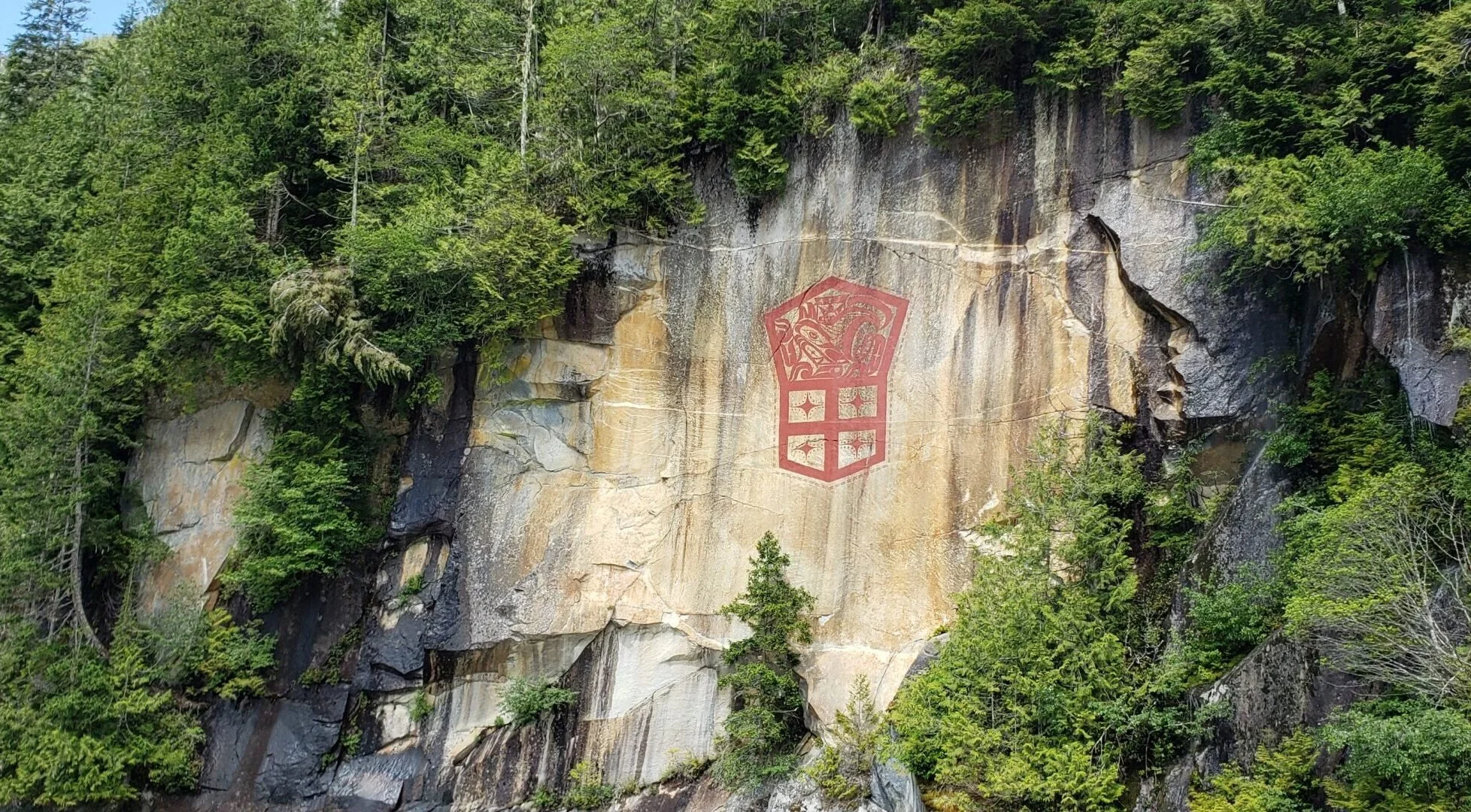
Marianne Nicolson is an artist activist of the Musga̱makw Dzawada̱ʼenux̱w First Nations, part of the Kwakwa̱ka̱’wakw (Kwak̓wala-speaking peoples) of the Pacific Northwest Coast. Trained in traditional Kwakwa̱ka̱’wakw forms and contemporary gallery and museum practice, she is also a cultural researcher, historian and advocate for Indigenous land rights. Nicolson holds a BFA from Emily Carr University of Art and Design (1996), an MFA from the University of Victoria (2000), and an MA (2005) and PhD (2013) in Linguistics and Anthropology. Her doctoral research focused on expressions of space in the Kwak̓wala language. Her multidisciplinary practice encompasses photography, painting, carving, video, installation, public art, writing and speaking. Grounded in Kwakwa̱ka̱’wakw philosophy and worldview, her work is political in nature. Nicolson has exhibited at the Biennale of Sydney, Vancouver Art Gallery, National Museum of the American Indian and Museum Arnhem. Her monumental public artworks are installed at Vancouver International Airport and the Canadian embassies in Amman and Paris.
-
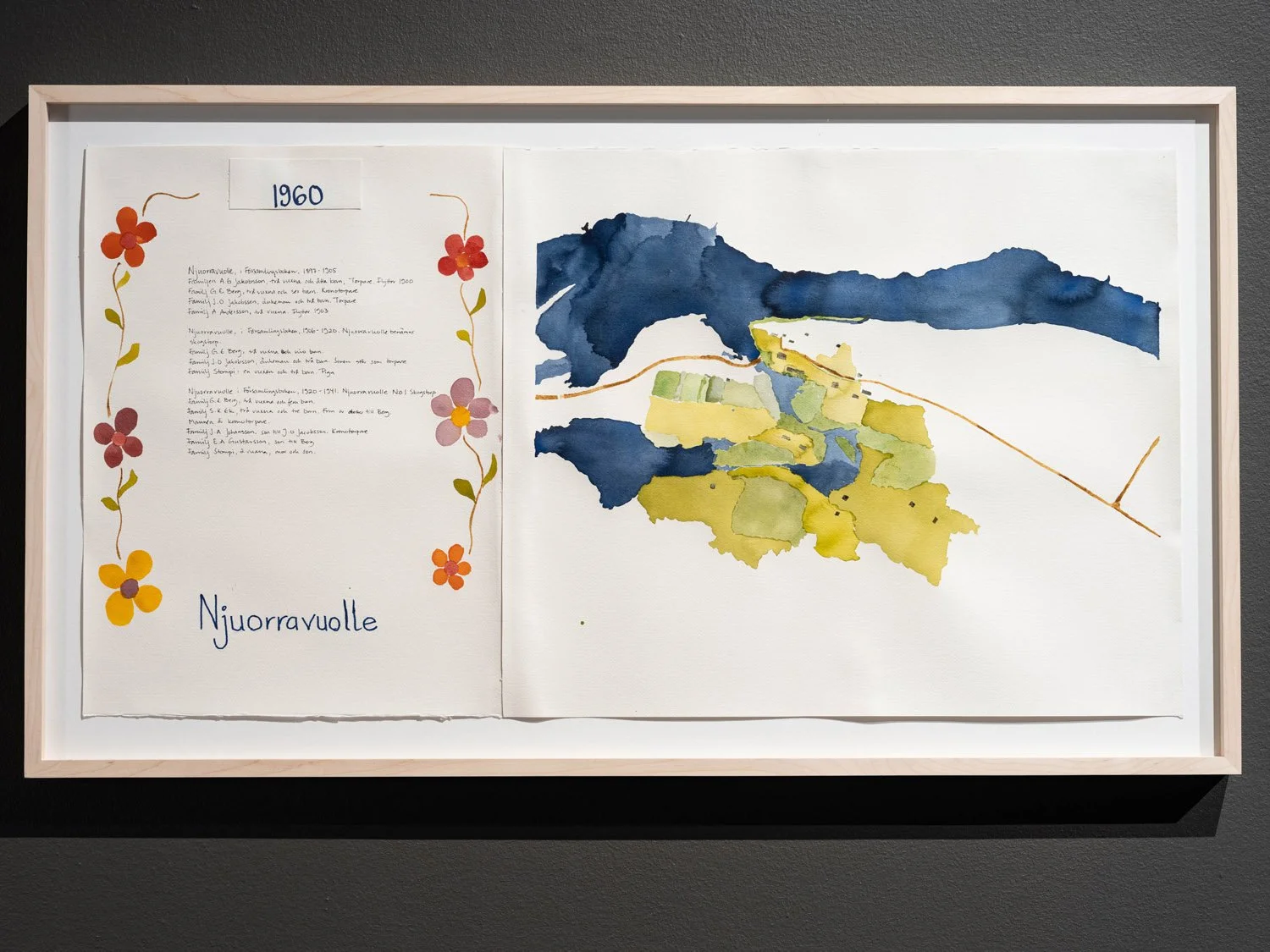
Katarina Pirak Sikku is a Sámi artist based in Jåhkåmåhkke, Sápmi. Working across photography, drawing, installation and text, she draws on Sámi family histories and historical events that continue to shape her life. Her practice incorporates duodji and other forms of storytelling, often using subtle shifts to unsettle established visual conventions. Grief recurs in her work alongside humour and generosity, forming part of a quiet activism attentive to political, social, private and public life. Pirak Sikku graduated from the Umeå Academy of Fine Arts (2005) and has also studied ethnology and the Lule Sámi language. Her exhibition Nammaláhpán, based on a decade-long investigation into racial-biological research conducted on Sámi people, was nominated for Dagens Nyheter’s Culture Prize (2015). Her work has been exhibited at Korundi, Grafikens Hus, Museo de Arte Moderno de Medellín and Árran julevsáme guovdásj, among other institutions.
-
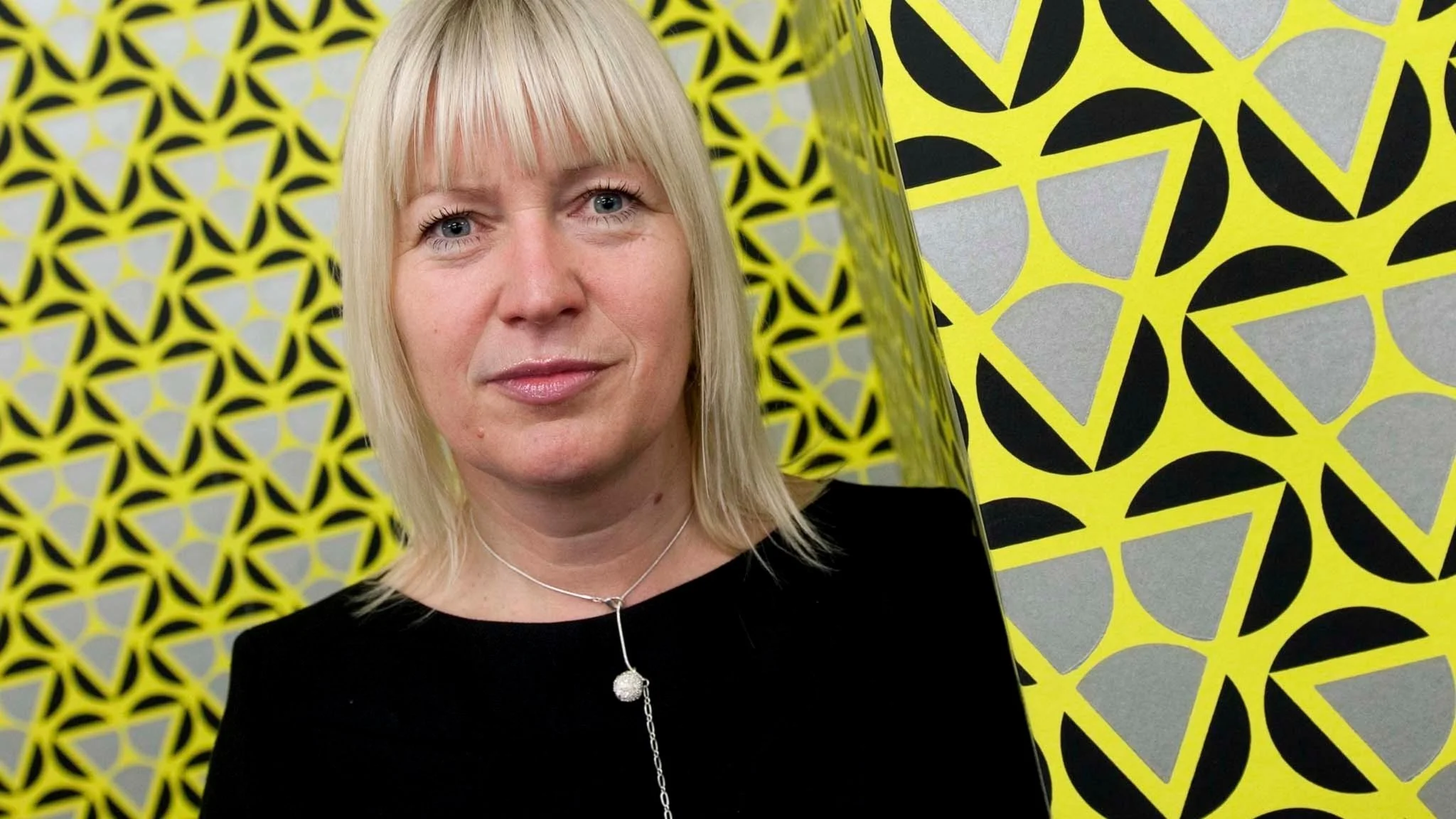
Maria Lind is a Stockholm-based curator, writer and educator. She is director of Kin Museum of Contemporary Art in Kiruna and previously served as Sweden’s counsellor of culture in Moscow (2020–2023). She directed Tensta konsthall (2011–2018), the graduate program at the Center for Curatorial Studies at Bard College (2008–2010), Iaspis (2005–2007) and Kunstverein München (2002–2004). Lind was artistic director of the 11th Gwangju Biennale and co-curator of Manifesta 2 (1998) and the Art Encounters Biennial (2019). She curated Future Light for the first Vienna Biennial (2015). She has taught widely, including as professor of artistic research at the Oslo National Academy of the Arts (2015–2018), and currently lectures at Konstfack’s CuratorLab. Lind received the Walter Hopps Award for Curatorial Achievement (2009). Her publications include Selected Maria Lind Writing (2010), Seven Years: The Rematerialization of Art from 2011 to 2017 (2019) and Konstringar: Vad gör samtidskonsten? (2021).
-
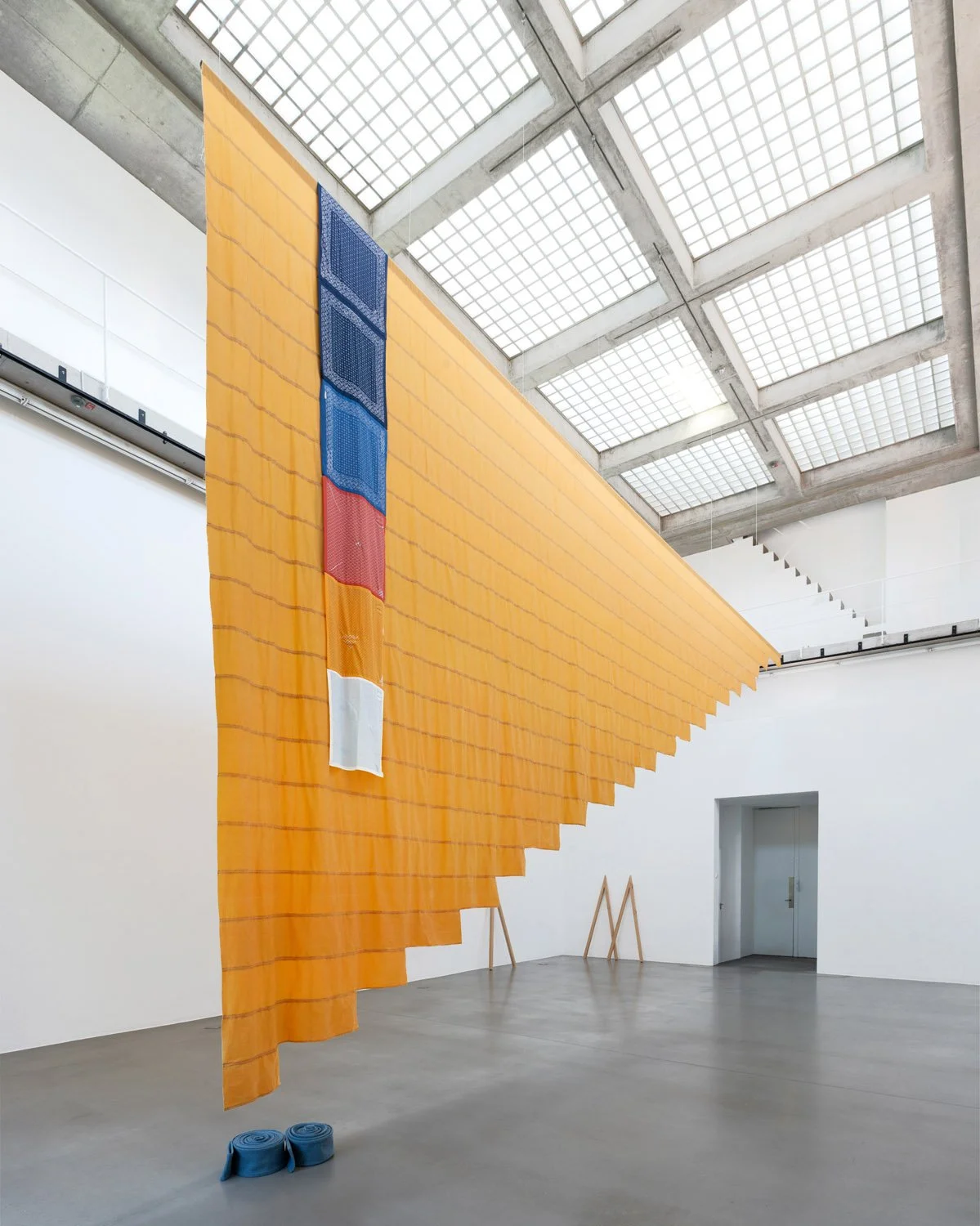
Tanya Lukin Linklater’s artistic practice spans video, works on paper, installation, and dance in museums. Sensation, embodied inquiry, scores, rehearsal, and being in relation (to ancestral belongings, Indigenous communities, and weather) structure her work. She has shown in the Aichi Triennale, Japan; Camden Art Centre, London; Dia Art Foundation, New York; Gwangju Biennale, South Korea; New Museum Triennial, New York; San Francisco Museum of Modern Art; SITE SANTA FE; Toronto Biennial of Art, and elsewhere. Her solo exhibition, Crested, was presented by Portikus (Frankfurt) in 2026. Her recent publications include a collection of poetry and event scores, Slow Scrape (Talonbooks, 2022), and contributions to art catalogues, including Mark: Sonya Kelliher-Combs (Hirmer, 2024) and Native Visual Sovereignty: A Reader on Art and Performance (Center for Curatorial Studies, Bard College; Forge Project; MacKenzie Art Gallery; SITE SANTA FE; Dancing Foxes Press, 2025). Her Sugpiaq homelands are in the Kodiak archipelago of Alaska.
-
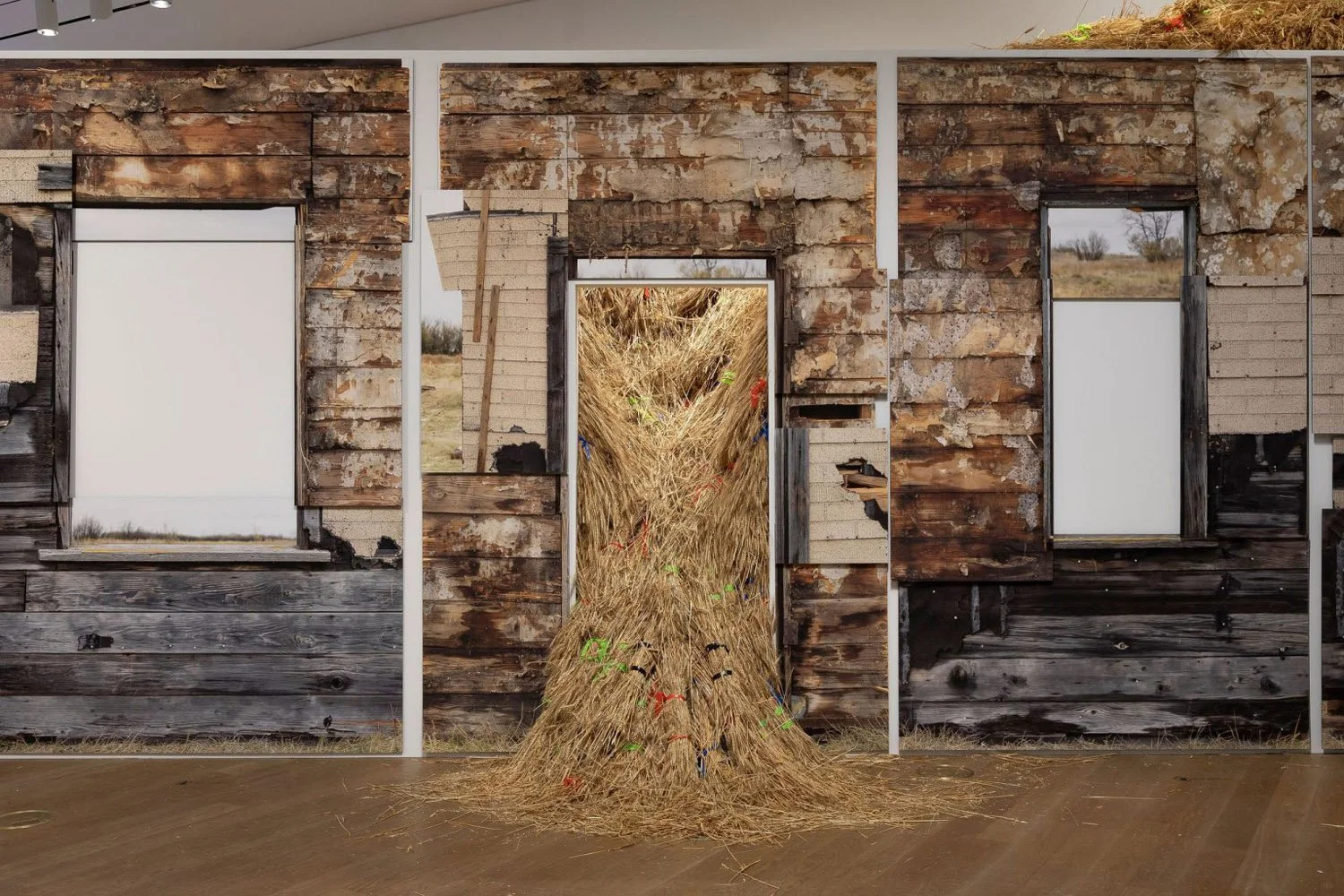
Althea Thauberger is an artist, filmmaker, and educator known for place-based experimental documentary projects that emerge from collaborative research and production processes. Her work—spanning photography, film, video, and performance—explores relationships between community stories and geopolitical histories. She was born in Saskatoon and is of settler Scandinavian and Black Sea German descent. Thauberger’s recent exhibitions include the Kaunas Biennial (2021); Contemporary Art Gallery, Vancouver (2020); the Toronto Biennial of Art (2019); the Art Gallery of Nova Scotia (2019); the National Gallery of Canada (2019); Musée d’art contemporain de Montréal (2017); and the inaugural Karachi Biennale (2017).
Cooking Sections Assembly
-
Dr. Janelle Baker
Janelle Baker is Associate Professor in anthropology at Athabasca University and is a CIFAR Future Flourishing Fellow. She is recipient of the 2024 Canadian Association of Alberta Faculty Associations Distinguished Academic Early Career Award. Her research is on Indigenous and Local Peoples’ traditional wild food and medicine security and sovereignty. Since 2006, she has collaborated with Bigstone Cree Nation environmental monitors using community-based ethnographic methods to record experiences with environmental contamination and also collaborates with Îethka communities on traditional foods in the Canadian Rockies. Dr. Baker is a Lead Author and member of the Indigenous Knowledge and Local Knowledge Task Force for the United Nations Environment Programme Global Environment Outlook (GEO)-7. She is the President of the International Society of Ethnobiology.
-
Trevor Herriot
Trevor Herriot is a naturalist, grassland conservationist, and the author of several award-winning books, including Grass, Sky, Song and the national bestseller River in a Dry Land, both of which were short-listed for the Governor General’s Award for Non-fiction. He is a recipient of the Kloppenberg Award for Literary Merit and the Saskatchewan Order of Merit. His essays and articles have appeared in The Globe & Mail, The Narwhal, Brick, Border Crossings, Canadian Geographic, and several anthologies. He has also written two radio documentaries for CBC’s Ideas and is a regular guest on CBC Radio Saskatchewan’s Blue Sky. Herriot lives in Regina.
-
Vanessa Hyggen
Vanessa Hyggen is a Woodland Cree and Norwegian artist from nemepith sipihk (Sucker River), in Northern Saskatchewan. Hyggen is a member of the Lac La Ronge Indian Band, currently living in Saskatoon. She earned a Bachelor of Arts with Distinction from the University of Saskatchewan. Hyggen utilizes memory, tradition and themes of nature in her work. Land sovereignty and cultural conservancy are issues very close to her heart and her art practice. She is an organizer with For Peat’s Sake, is a group of northern community members, Lac La Ronge band members, and Saskatchewan citizens committed to protecting muskegs.
-
Martha Robbins
Martha Robbins is a PhD researcher in International Development (Political Ecology) at the International Institute of Social Studies, Erasmus University Rotterdam. She has a background in farm politics and social movements through her work with the National Farmers Union and the Treaty Land Sharing Network. Her research interests focus on food sovereignty, local food systems and agrarian movements. She is the co-editor of Grassroots Voices in the Journal of Peasant Studies.
-
Beth Rogers & Thayne Robstad, Hearth
Partners in life and business, Beth Rogers and Thayne Robstad met in 2008. They traveled and worked throughout Canada but felt a strong connection to the prairies. They opened a small neighbourhood restaurant, Hearth, in 2018. The restaurant quickly became a local favourite and was listed in the 100 Best Restaurants in Canada, one of only two Saskatoon restaurants to make the list. They are best known for their use of locally grown and foraged ingredients and unpretentious dishes with a contemporary spin. Hearth relocated to Remai Modern in 2023, where they have continued to grow and thrive.
-
Dr. Priscilla Settee
Priscilla Settee is a member of Cumberland House Swampy Cree First Nations and Professor Emerita in the Department of Indigenous Studies at the University of Saskatchewan. She is recognized nationally and internationally as an award-winning professor, writer, and global activist. Her research has focused on Indigenous food sovereignty, the impact of climate change, Indigenous knowledge and social economies. Some of her recent research has identified the impact of climate change on the traditional food knowledge of Pheasant Rump First Nation in Saskatchewan and the impact of climate change on Indigenous food sovereignty.
-
Jenni Lessard
Jenni Lessard is the founder of Inspired by Nature Culinary Consulting, and creates culinary experiences rooted in her Métis heritage. Raised in northern Saskatchewan, Lessard developed an early appreciation for the land and its offerings, learning from those around her about traditional foods and practices. This includes an emphasis on seasonal, local ingredients. Her dishes reflect Lessard’s deep connection to and reliance on the land.
She is the former Chef in Residence at the Saskatoon Farmer’s Market (2013-2016) and was the first female Métis Executive Chef at Wanuskewin Heritage Park. Her vision for the future is to continue lifting others in the culinary community and mentoring young chefs. She hosts an annual, multi-day culinary tour called Field to Shield. It is a hands-on experience in Northern Saskatchewan that intertwines her cooking with the heritage-rooted traditions of the local Cree community, served up at long table dinners, fish filet demos, shore lunches and more.
Image Credits
Joi T. Arcand, ᐯᐦᐯᔭᐠ ᐆᒥᓯ ᐃᓯ ᐁᐊᑎᐦᑌᑭ ᑕᑿᐦᐃᒥᓈᓇ (pêh-pêyak ômisi isi ê-atihtêki takwahiminâna), 2025, LED channel sign. Photo: Carey Shaw.
Cooking Sections, Bivalve Murals – Being Shellfish (2023–ongoing), waste shell terrazzo mural. Photo: Jordan Young. Courtesy of the artists.
Stinging nettle workshop led by Anette Johansson, 2025, Kultivator Dyestad. Photo: Mathieu Vrijman.
Marianne Nicolson, Cliff Painting, 1998. Courtesy of the artist.
Katarina Pirak Sikku, Njuorravuolle, 2022, watercolour on paper. Courtesy of the artist.
Tanya Lukin Linklater, Crested, 2026, Installation view, Crested, Portikus, Frankfurt am Main, 2026. Courtesy of the artist. Photo: Robert Schittko
Installation view, Althea Thauberger: Der Kleiekotzer (The Bran Puker), 2025, Remai Modern. Photo: Carey Shaw.